
In the manufacturing industry, numerous processes are required to produce a final product that meets the needs of producers and consumers. Initially, everything comes in the form of raw materials, which are not readily visible, then enters the production stage, which involves various processes before it is finally ready for distribution.
One of the processes in it is Quality Control, Quality Control, or QC for its acronym , is a process which in essence is reviewing the quality of all factors involved in production activities.
There are three aspects emphasized in this approach, namely:
- Elements such as control, work management, defined and well-managed processes, integrity and performance criteria, and identification of records.
- Competencies, such as knowledge, skills, experience, and qualifications.
- Soft elements, such as staffing, integrity, trust, organizational culture, motivation, team spirit, and quality relationships.
- Size, Visual Conformity with Working Drawings, Function and Optimization of Results.
Quality Control Function
The function of Quality Control itself is to ensure that the products/services provided meet specific requirements and are reliable, satisfactory and fiscally sound (functional), identify products/services that do not meet company specifications and qualification standards (eliminate non-conformities) and take action on problems identified by QC.
“The QC team reserves the right to stop production while potential problems persist.”
QC operators sort out which products still meet standards and which must be discarded due to defects or non-compliance. Each company has its own unique set of standards for determining product standards. A company must be careful in determining these standards, as they will determine how the product and the company as a manufacturer are perceived by customers.
Duties of a Quality Control
Quality Control officers or operators have several challenging tasks and responsibilities. A Quality Control officer holds final responsibility for the product before it’s packed and shipped, until it reaches the customer. If a Quality Control operator is even slightly negligent and lets a defective product through that shouldn’t have reached the customer, this can erode or even destroy customer trust in the company.
Following are some of the duties of a Quality Control:
- Ensure that products comply with the standards set by the company.
- Responsible for monitoring, analyzing, researching, testing a product.
- Verifying product quality.
- Responsible for documentation of inspections and tests performed on products.
- Make analysis of previous product records and documentation for future production reference.

Benefits of Quality Control
1. Production Consistency
The primary benefit of quality control is maintaining production consistency. This encompasses both the production process and the quality offered. When implementing quality control, standards are clearly established at the outset. The role of QC is to ensure that everyone has carried out their duties, that the product meets the established quality standards, and that there are no defects before the product or service is launched.
2. Increase Efficiency
The second benefit is increased efficiency, both in terms of production processes, manpower, and time. Without a QC process, errors or defects can be discovered in a product. Once discovered, the production team must repair the defect, which is quite time-consuming, costly, and labor-intensive.
3. Maintain customer satisfaction
Another benefit of quality control is maintaining customer satisfaction. When producing a published product , there are inherent standards for customers. Customer satisfaction must be maintained, as it is one aspect that can influence customer loyalty. If there are errors or defects in the product, customers will be less likely to purchase or use your service again.
4. As a habit, develop personal and company quality standards.
The final benefit of quality control is that it fosters habits and develops personal and company quality standards. If the production process is efficient, consistent, and customers are satisfied, it will be easier to develop the company in terms of marketing. Companies can optimize their workforce because they have established standards for running the production process. Furthermore, companies can even update products, systems, and other details.
PT Patmanunggal Reka Abadi Guarantees Production and Product Quality
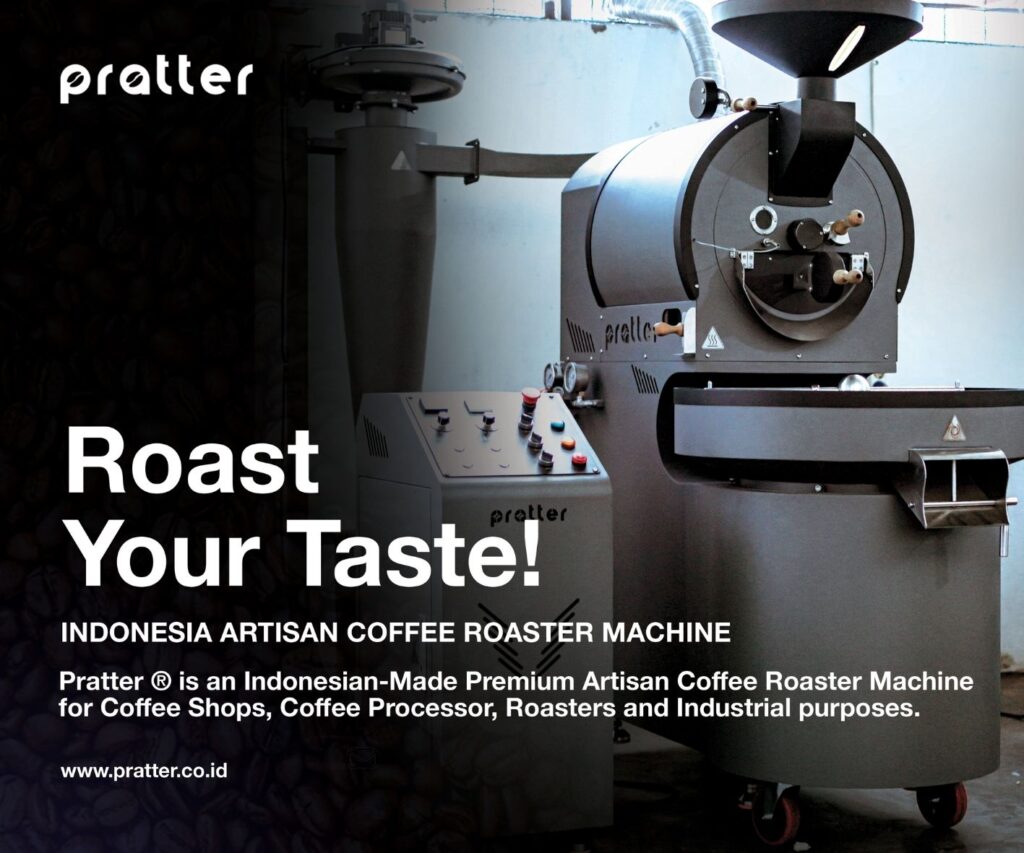
PT Patmanunggal Reka Abadi is a company that provides engineering, automation, construction, welding, and fabrication services. Supported by a professional and experienced engineering team and sophisticated equipment, it also ensures product quality by conducting quality control processes to the highest standards, with two flagship products: Pratter Coffee Roaster and Praise.
View our portfolio here
If you’re interested and need more information, please contact our sales engineering and marketing team via email or WhatsApp. If you’d like to visit our workshop, please visit Jl. Pakel No. 130-131, Banyuanyar, Surakarta, Central Java. (In front of Red Doorz)